Ledger.com/start – Secure Beginning for Your Ledger Hardware Wallet
Managing cryptocurrency safely requires more than just buying digital assets. Unlike traditional banking systems, crypto ownership places full responsibility on the user. There is no central authority to reverse transactions or recover lost access. Because of this, choosing a secure storage method is critical. Ledger hardware wallets are widely trusted for this purpose, and the correct way to begin using one is through Ledger.com/start.
This page serves as the official setup gateway for Ledger devices and ensures that users follow a secure, verified process from the very first step.
Understanding Ledger.com/start
Ledger.com/start is the official onboarding page developed by Ledger to help users initialize their hardware wallets safely. It provides verified instructions, authentic software downloads, and device-specific guidance to reduce the risk of mistakes or security breaches.
With the rise of crypto scams, fake websites, and malicious wallet applications, using unofficial sources can result in stolen funds. Ledger.com/start helps protect users by directing them only to trusted Ledger resources.
Why Ledger Wallets Are Considered Secure
Ledger wallets are designed to store private keys offline, keeping them isolated from internet-based threats. Each device contains a certified Secure Element chip, the same type of technology used in passports and banking cards.
Key advantages of Ledger wallets include:
Offline storage of private keys
Physical confirmation required for transactions
Protection against malware and phishing attacks
Compatibility with thousands of cryptocurrencies
Full ownership without reliance on exchanges
This combination of hardware-level security and user control makes Ledger a preferred choice for long-term crypto storage.
How Ledger.com/start Guides the Setup
The setup process at Ledger.com/start is structured to be both simple and secure. Each step is clearly explained, making it suitable for beginners while still meeting advanced security standards.
Step 1: Choose Your Ledger Device
The first step involves selecting the Ledger model you own. Popular options include:
Ledger Nano X
Ledger Nano S Plus
Each model has unique features such as Bluetooth support or storage capacity. Selecting the correct device ensures the setup instructions match your hardware.
Step 2: Install Ledger Live
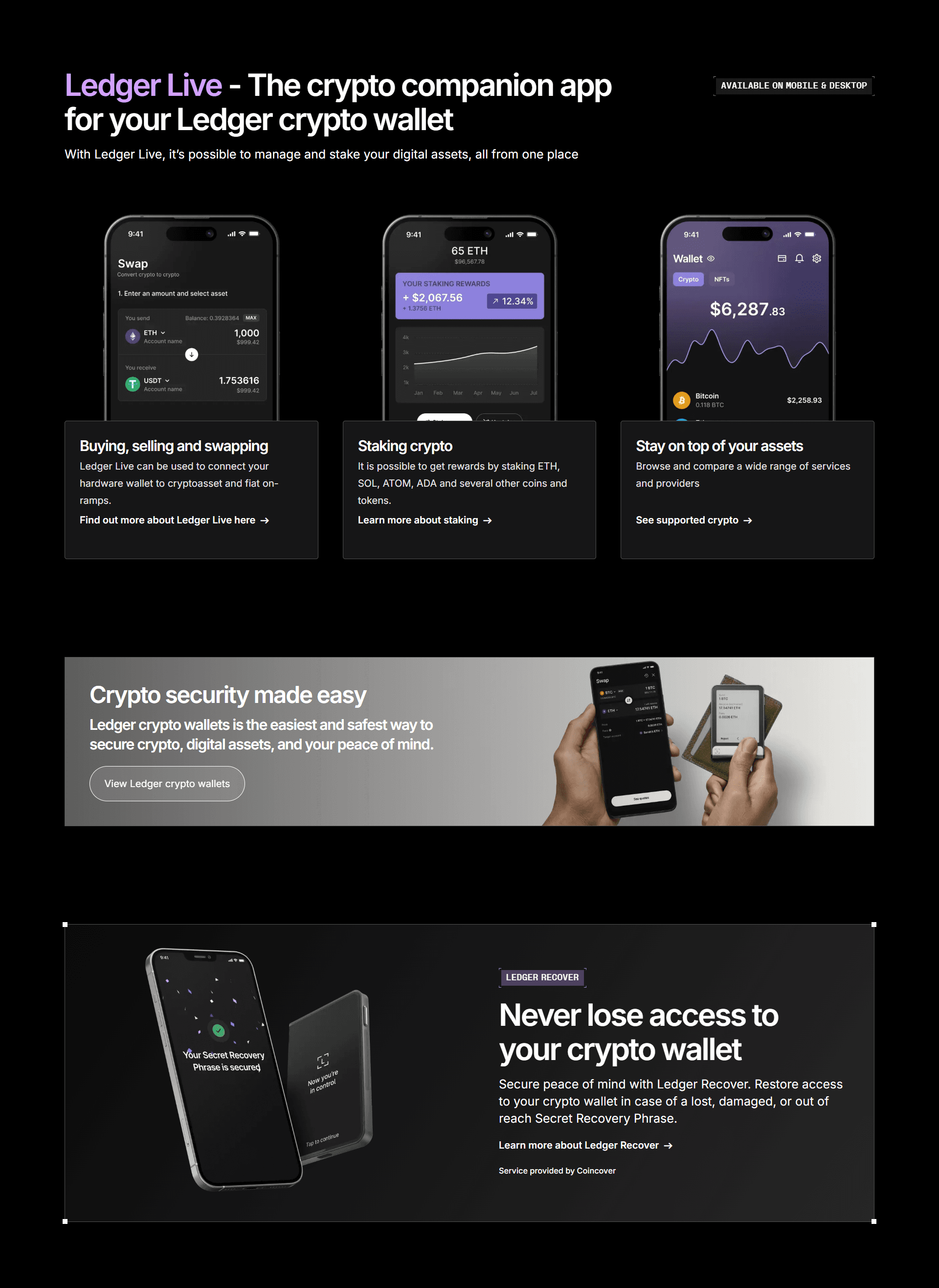
After selecting your device, Ledger.com/start will guide you to download Ledger Live, the official wallet management application.
Ledger Live allows users to:
Install blockchain apps on the device
Create and manage crypto accounts
Send and receive digital assets
View balances and transaction history
Perform firmware updates securely
To avoid counterfeit software, Ledger Live should only be downloaded via Ledger.com/start.
Step 3: Connect and Set Up the Device
Once Ledger Live is installed, connect your Ledger device to your computer or smartphone using the provided USB cable or Bluetooth (available on Nano X).
You will then be prompted to choose between:
Creating a new wallet
Restoring an existing wallet using a recovery phrase
New users should select “Create a new wallet” to generate fresh keys.
Step 4: Create a PIN Code
During setup, the Ledger device will ask you to create a PIN code. This PIN prevents unauthorized access if your device is lost or stolen.
Important PIN guidelines:
Avoid predictable combinations
Do not reuse PINs from other devices
Never share your PIN with anyone
After multiple incorrect attempts, the device automatically resets, protecting your assets.
Step 5: Record the Recovery Phrase
The most important step in the setup process is backing up the 24-word recovery phrase. This phrase is the master key to your wallet and all associated funds.
Best practices include:
Writing the phrase down exactly as shown
Keeping the words in the correct order
Storing the backup offline in a secure location
Never saving or sharing it digitally
Ledger does not store this phrase and cannot recover it for you.
Step 6: Confirm the Recovery Phrase
To ensure the recovery phrase was recorded correctly, the device will ask you to confirm the words in the proper order. This verification step ensures your backup is accurate and usable if the device is ever replaced.
Skipping or incorrectly completing this step could result in permanent loss of access to your assets.
Step 7: Add Crypto Accounts
Once setup is complete, you can install apps and add accounts using Ledger Live. Ledger supports a wide range of cryptocurrencies, including:
Bitcoin (BTC)
Ethereum (ETH)
XRP
Solana (SOL)
Cardano (ADA)
Polygon (MATIC)
Thousands of tokens across multiple blockchains
After adding accounts, you can safely send, receive, and manage your digital assets.
Ongoing Security Best Practices
To maintain wallet security over time, users should follow these habits:
Always return to Ledger.com/start for official updates
Never enter your recovery phrase into websites or apps
Verify transaction details on the device screen
Keep Ledger Live and firmware updated
Store recovery phrases in secure, offline locations
Ledger will never ask for your PIN or recovery phrase.
Common Errors That Lead to Loss
Many crypto losses happen due to simple mistakes. Avoid the following:
Downloading Ledger software from unofficial sources
Purchasing second-hand or preconfigured devices
Taking photos of recovery phrases
Trusting unsolicited customer support messages
Entering recovery phrases into online forms
Ledger.com/start exists to help users avoid these risks from day one.
Final Summary
Ledger.com/start is the official and safest way to begin using a Ledger hardware wallet. By following the setup instructions carefully, users can ensure their device is genuine, their recovery phrase is protected, and their crypto assets remain fully under their control.